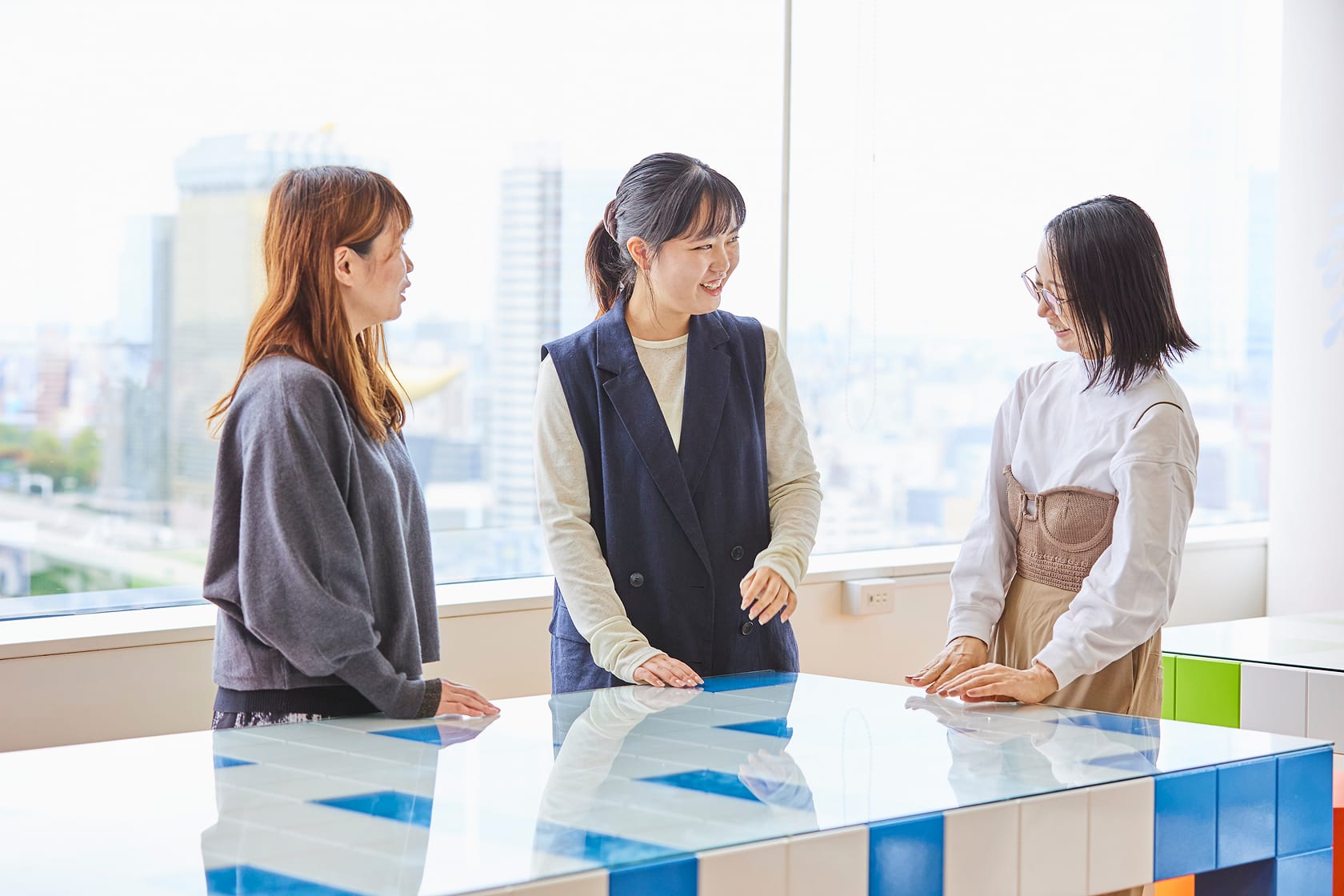
BANDAI x TOPPAN From card packs to card cases! Co-creating and driving sustainability projects with fans
This series delves into a range of discussions held between TOPPAN and various companies seeking solutions to the challenges they are facing and the future of sustainability efforts being taken by Japanese companies. This time, we welcomed Seiko Yamazaki from BANDAI CO., LTD., and—together with TOPPAN representatives—discussed SX (Sustainable Transformation*) and success cases through the "Opened Card Pack Recycling Project" jointly created by BANDAI x TOPPAN.
*SX: Management and business transformation where companies prioritize long-term sustainability and balance business stability with environmental, social and governance (ESG).
Speaker profiles
-
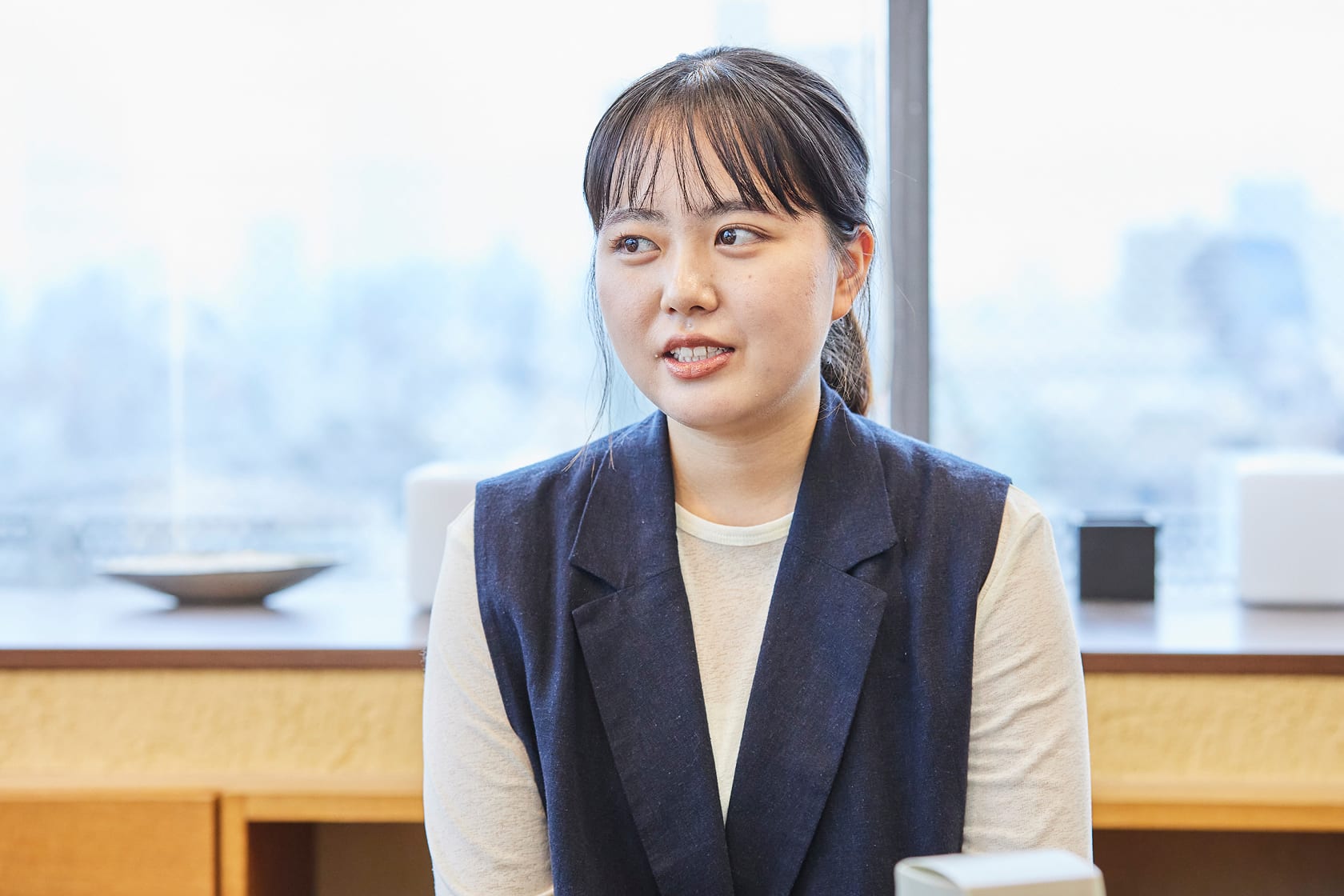
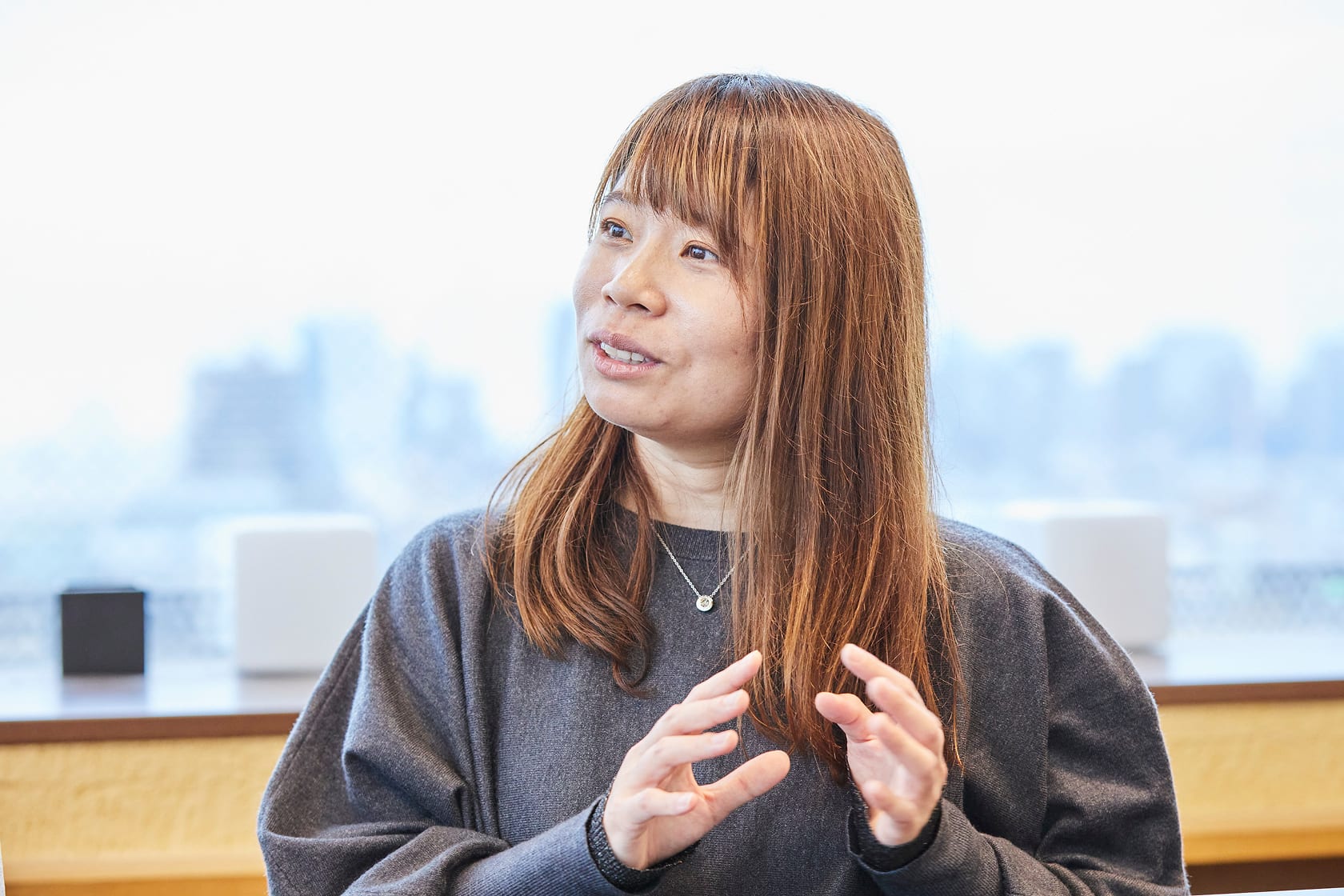
BANDAI CO., LTD., Business Strategy Team, Card Business Department
Seiko Yamazaki -
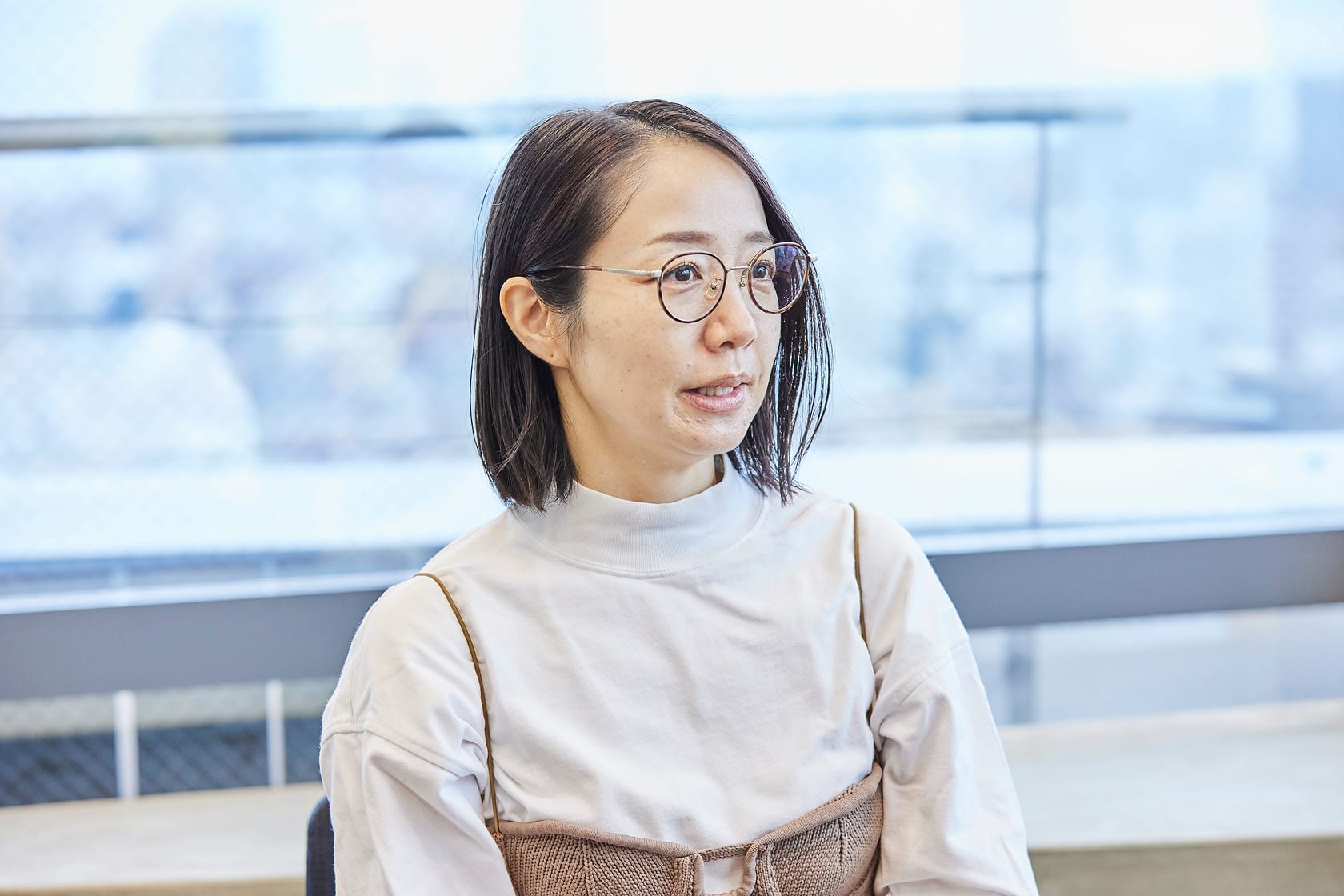
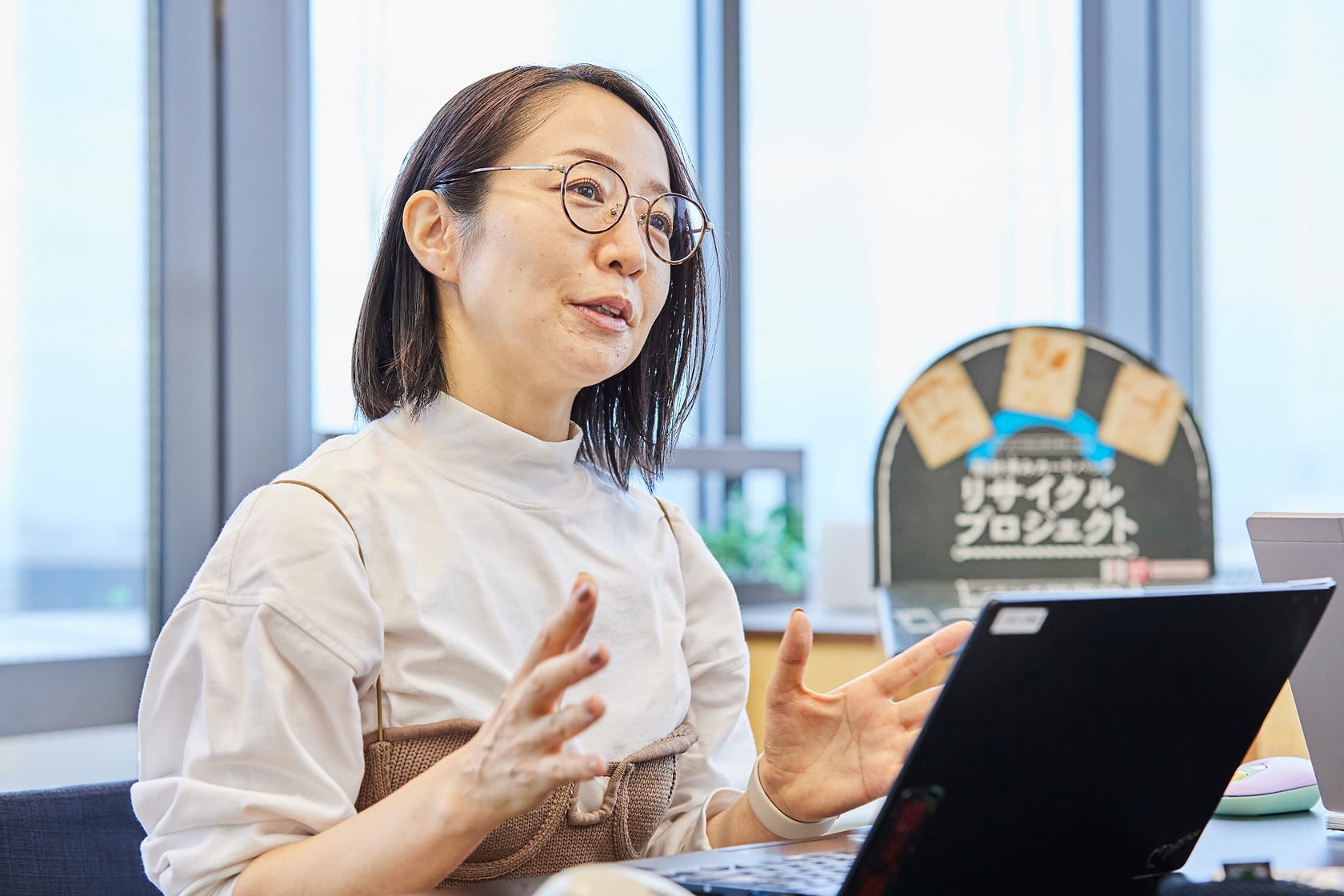
TOPPAN Inc. Information & Communication Division, Business Produce Center, Account Produce Department 5-2
Asako Murakami -
TOPPAN Inc. Information & Communication Division, Technical Department
Mari Okada*Positions are current as of November 2024
The Bandai Namco Group is committed to its sustainability policy of "promoting sustainable activities in collaboration with fans that address social issues the Group must tackle."
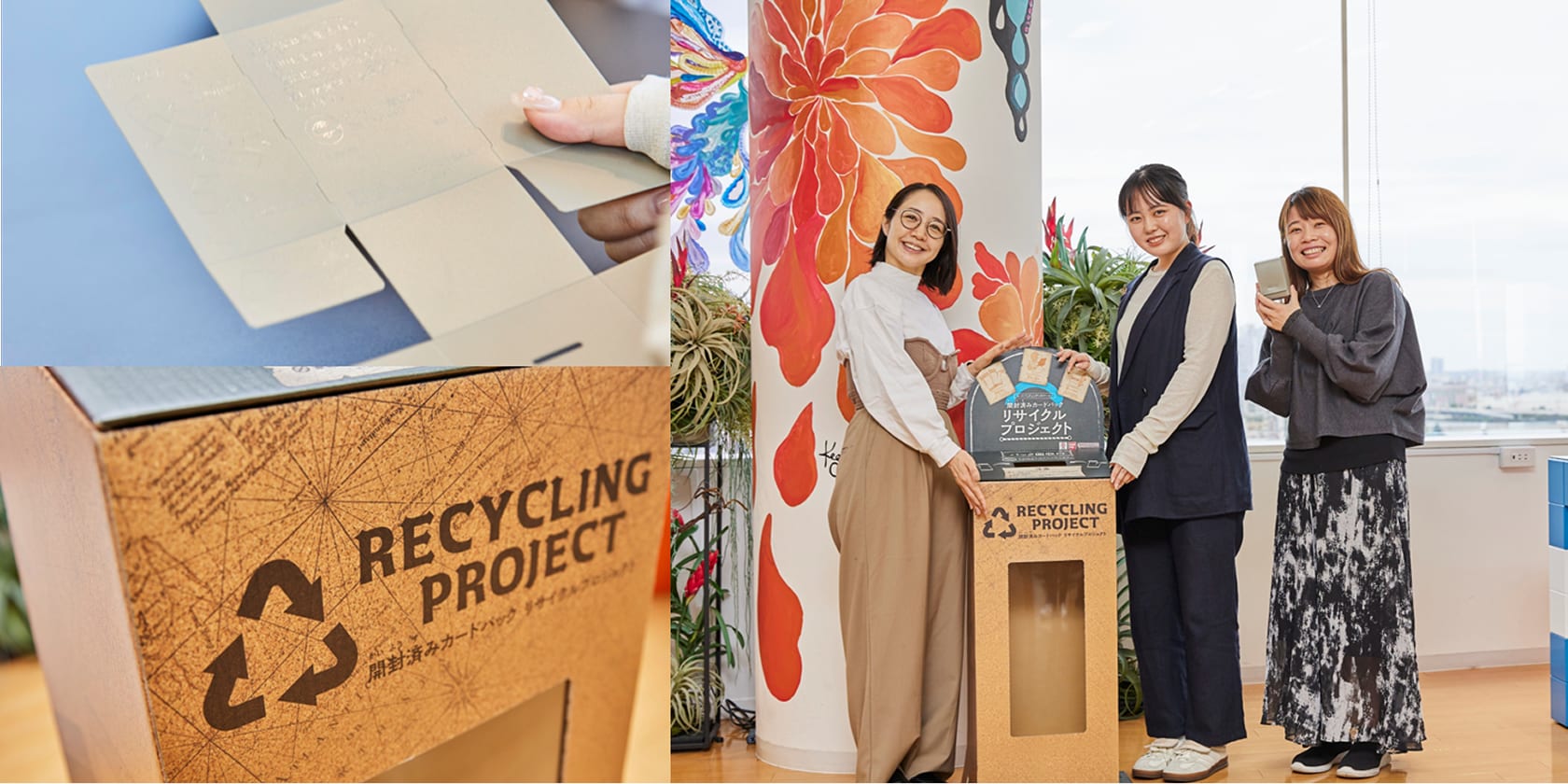
As a new initiative, BANDAI CO., LTD. and TOPPAN jointly created the "Opened Card Pack Recycling Project."
Through the "ONE PIECE Card Game" that enjoys a broad fan base ranging from children to adults, we carried out material recycling that transforms opened card packs (i.e., pillow packaging) into card cases.
This initiative drew significant attention at the 2024 "Tokyo Toy Show," and activities aimed at achieving a circular society together with fans continues to grow.
[Background & Challenges] Striving to achieve a circular society through the trading card industry.
—Tell us about the background and steps leading up to the project.
Yamazaki: Our company has long been engaged in environmentally conscious initiatives aligned with the life cycle of toys. Examples include the Gunpla Recycling Project, which reuses the runners left over after building Gunpla plastic models, and the Gashapon Capsule Recycling initiative to recycle empty Gashapon capsules, but we also wanted to find something we could do at the Card Business Department.
—So you had felt that this was an issue for some time, correct?
Yamazaki: Yes—what we focused on was the pillow (packaging material) that is thrown out every time a card pack is opened. The "fun of opening" is also an important part of enjoying card packs. Simply changing the material would not overcome the issue, so we searched for ways to balancing the excitement of opening card packs while taking into consideration the environment.
Murakami: At TOPPAN, we recognized that BANDAI was actively working on sustainability activities, so we said, "In that case, why not work on it together?" We also have a dedicated SX department, and we proposed various ideas to meet the request of "balancing sustainability with the joy of opening card packs."
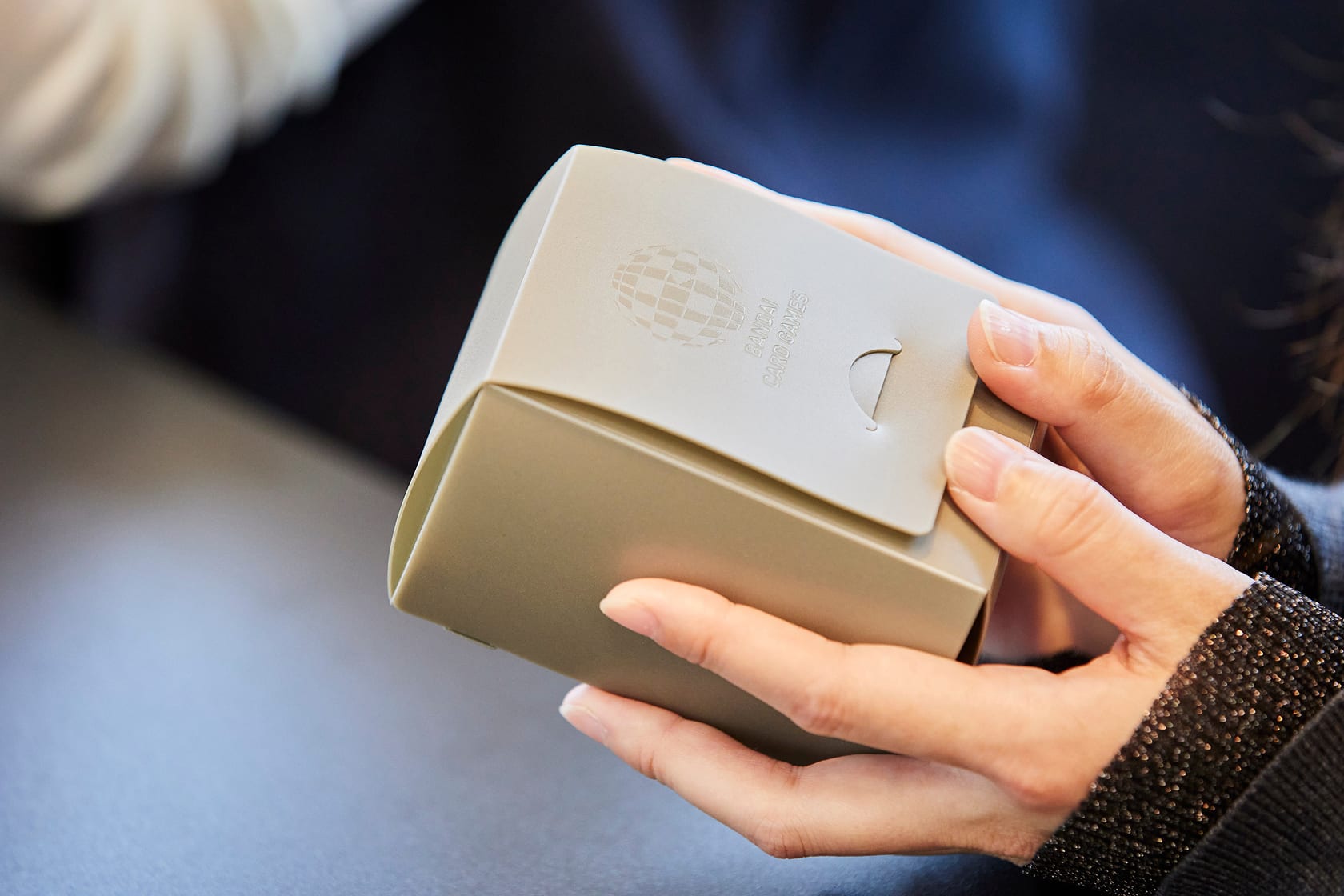
Yamazaki: From there, we launched a recycling project that collects opened pillows and transforms them into card cases—essential items when playing with trading cards. We thought this would create a positive cycle that we could enjoy together with users while also being mindful of the environment.
[Process] Comprehensive support across all stages, including planning, production, marketing, and Eco Mark certification
— Could you provide a specific overview of the project and the role that TOPPAN took on?
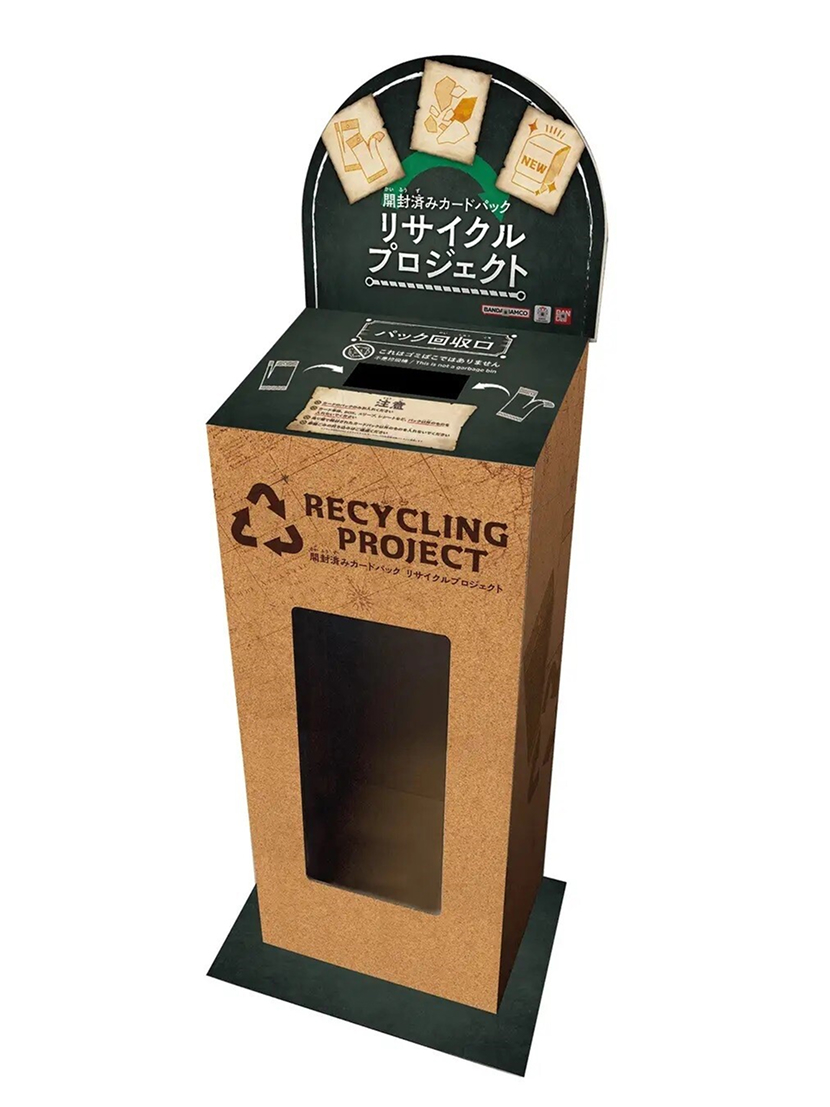
Yamazaki: First, we installed collection boxes at ONE PIECE Card Game official shops around the country to collect the pillow (packaging material) from card packs from users. We created a system that contributes to reducing plastic waste by reusing those pillows for manufacturing recycled card cases and delivering them back into the hand of users. We also distributed these recycled card cases at the BANDAI/BANDAI SPIRITS "Future Creation" Booth at the Tokyo Toy Show 2024, aiming to raise awareness of the project and spark interest in recycling activities.
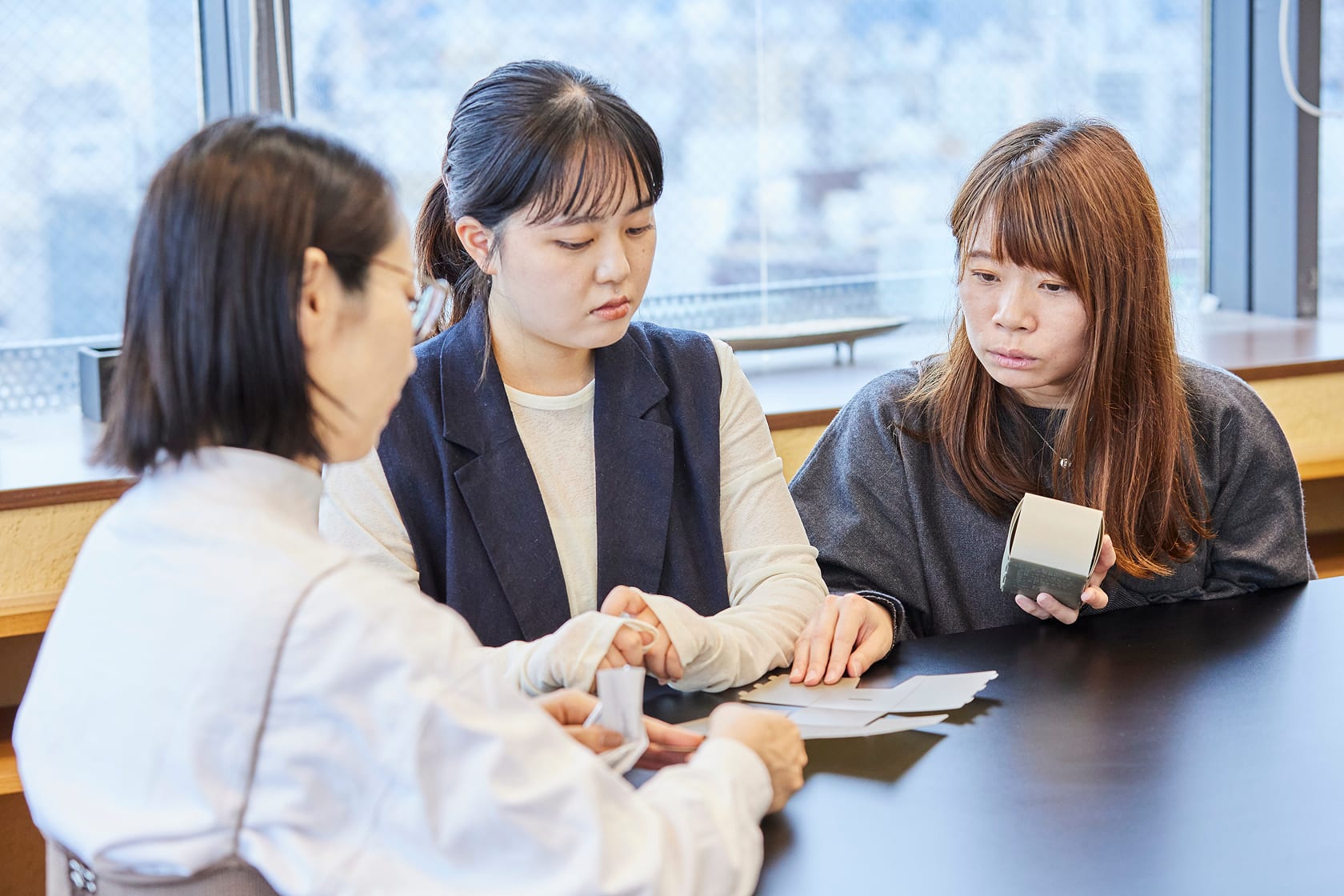
Murakami: Our company provided comprehensive support from planning this project to manufacturing the pillow collection boxes and recycled card cases, and even producing the event announcement landing page and promotional videos.
―Things really advanced in lockstep, didn't they? Why did you choose TOPPAN as your partner?
Yamazaki: Trust in their quality, and their overwhelming know-how and strength when it comes to proposals. As BANDAI, while we want to further strengthen our sustainability initiatives, there are quite a few aspects that are difficult to achieve on our own. The fact that they could achieve those parts with their proven track record and solutions—and above all, that we could entrust them with everything from planning to manufacturing to promotion—was highly appealing.
— What were some points you were particular about or any memorable episodes?
Murakami: That we properly sought the initial purpose of reducing plastic waste and recycling. We initially planned to place the recycled card case together with an instruction sheet into a PP bag for distribution, but that would end up increasing waste. So we printed all explanations and required labeling directly on the card case itself and distributed it as is.
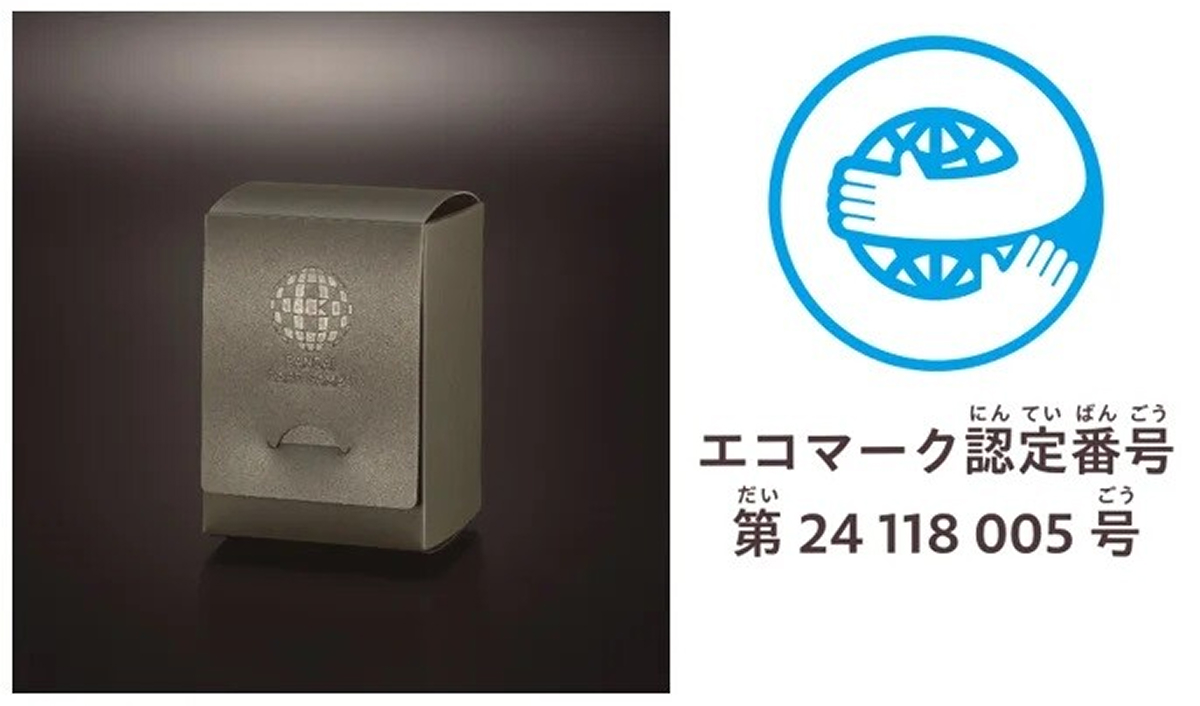
Okada: This recycled card case also uses 45% recycled plastic material including the collected pillows, and is Eco Mark certified. This was a first for BANDAI, and in response to their request to have it ready in time for the toy show, we made thorough preparations on our side to successfully achieve certification.
Yamazaki: There are various standards required to obtain Eco Mark, starting with the blend ratio of recycled plastics. We also had to clear our company's own standards. In addition to managing schedules and organizing requirements for running the project, BANDAI constantly made proposals that exceeded our expectations, and truly helped us as a partner.
— What kind of schedule did you follow?
Yamazaki: The project was kicked off in August 2023—by October, we set the project framework, and proceeded with manufacturing the collection boxes and the design of the card case, and we entered the in-store collection phase around the start of the new year. From May, we focused on manufacturing the recycled card cases, obtaining Eco Mark certification, and promotions such as the LP and videos. The initial goal, the Tokyo Toy Show 2024, was at the end of August, so we barely made it. We're grateful to TOPPAN for moving so quickly and reliably.
Murakami: We also felt it was a highly valuable initiative, so we approached it with the desire to make it even better.
[Feedback and Results] Contribute to the environment while having fun with opened card packs
— What was the response and results of this project, both inside and outside the company?
Yamazaki: During the time the Toy Show 2024 was running, 6,352 visitors dropped by the "Future Creation" Booth, which helped raise interest in recycling and broadened awareness and understanding of this project. We distributed recycled card cases to children of elementary school age and younger, and witnessing their smiles also made us happy. We also installed collection boxes at the company, which sparked positive changes in the awareness of our employees.
Murakami: I also visited the venue, and the scale of the "Future Creation" Booth that focused on sustainability reaffirmed to me BANDAI's strong sense of environmental awareness.
Okada: This project began by using familiar toys. I feel the perspective and concept of involving fans and encouraging sustainable change in behavior while having fun is wonderful. Being able to approach the important social issue of reducing plastic waste with this project was also very meaningful for our company. From planning to manufacturing to promotion, I feel it became a new success story that drew on TOPPAN's unique strengths.
[Future Outlook] Advancing sustainability through ongoing co-creation
— What is your future outlook?
Yamazaki: We plan to continue our resource recycling project utilizing opened pillows. We are also looking to further increase the blend ratio of recycled plastics, and we are also in discussions with TOPPAN to address this.
Murakami: As a company, we will expand our lineup of recycled products beyond card cases and continue to offer proposals that will further bring excitement to users.
Okada: TOPPAN providing support for both DX (Digital Transformation) and SX (Sustainable Transformation). Going forward, we aim to provide comprehensive support for sustainability activities, including promoting strategies quantifying the environmental impact reduction achieved through recycling and communicating it to consumers, supporting improving operational efficiency by leveraging digital technologies, and initiatives to make a company's environmental value "visible."
— For companies interested in similar initiatives, please tell us again why TOPPAN is a valuable partner.
Okada: Our strength lies in our ability to provide end-to-end support, from planning to manufacturing to promotion. There are other companies that are able to handle recycled materials, but while many offer support for only individual "points," we are able to support the entire project as a "whole" in an optimal way. Additionally, being able to advance recycling initiatives while drawing on a manufacturing perspective is a significant advantage that other companies are simply not able to offer.
Yamazaki: This is the main reason for the satisfaction we achieve from working with TOPPAN. Based on their extensive track record, they offer proposals where the overall story is visible, making it easy to visualize the project—this was another major attraction. Beyond the trust we have in their quality, we feel they are a very reliable partner that is able to bring to life what we want to achieve in the best possible way.